

Labels direct from the producer, from stock. Choose a category below or view all products.
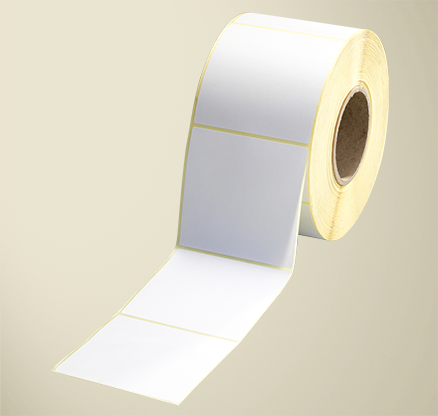
100 x 100 mm – Eco thermal
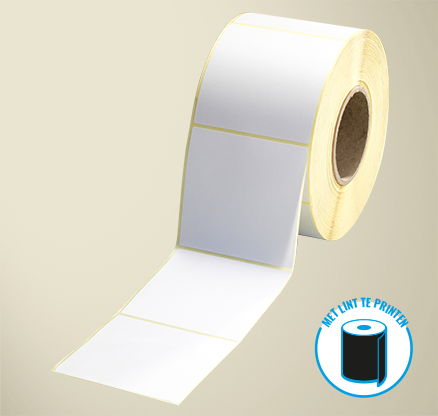
100 x 100 mm – Vellum

100 x 150 mm – Eco thermal

100 x 150 mm – Eco thermal
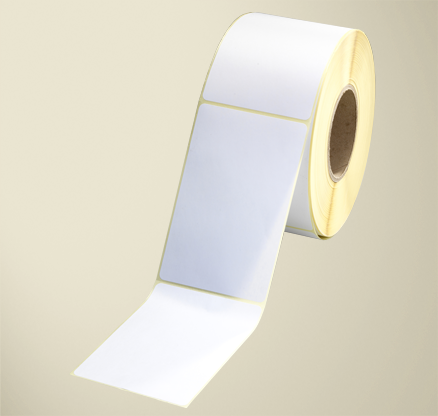
100 x 150 mm – Eco thermal
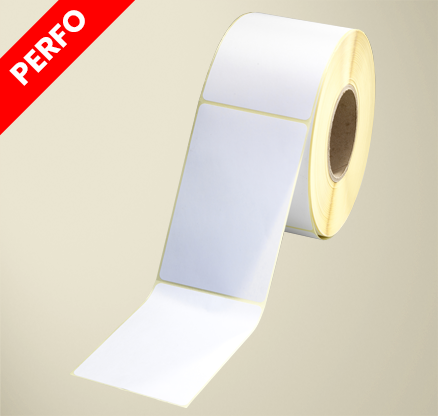
100 x 150 mm – Top-coated thermal
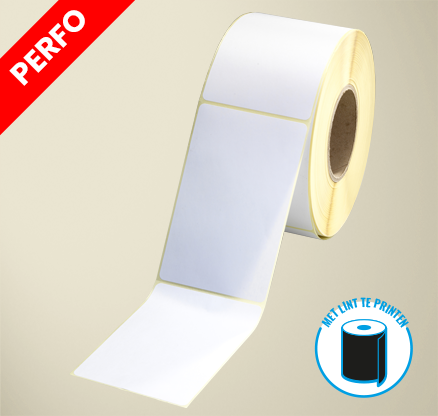
100 x 150 mm – Vellum
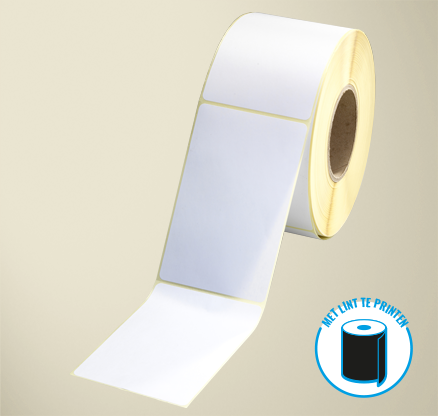
100 x 150 mm – Vellum
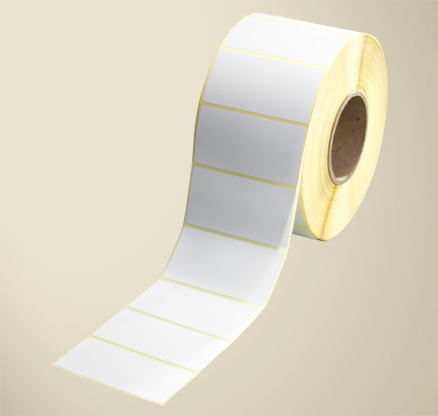
100 x 50 mm – Eco thermal
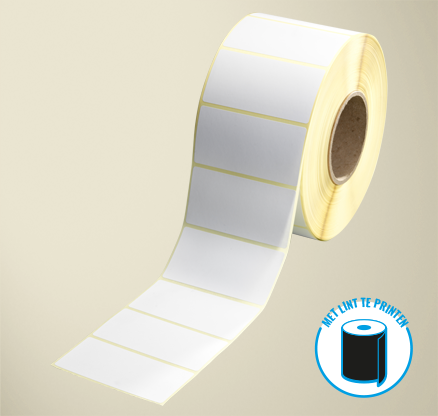
100 x 50 mm – Vellum
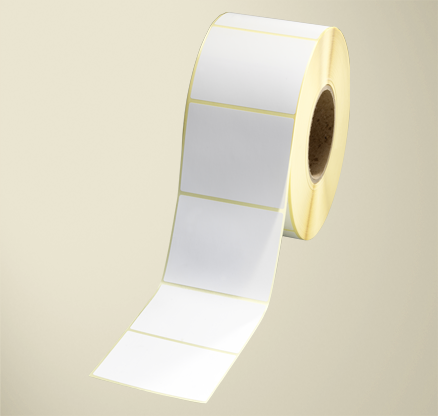
100 x 73 mm – Eco thermal
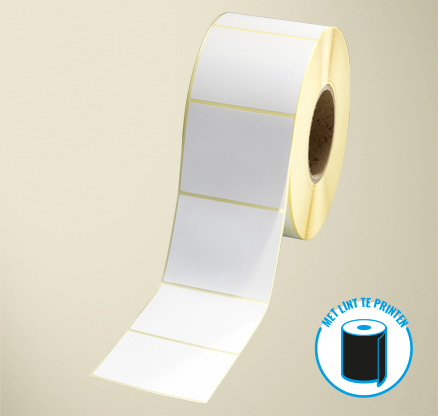
100 x 73 mm – Vellum
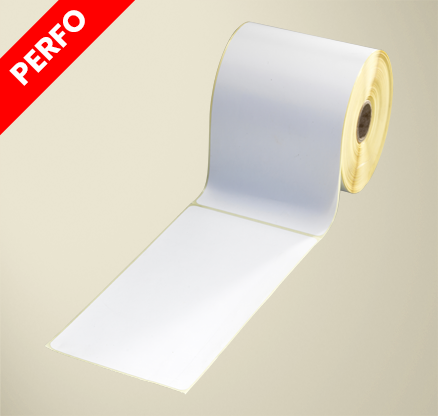
102 x 210 mm – Eco thermal
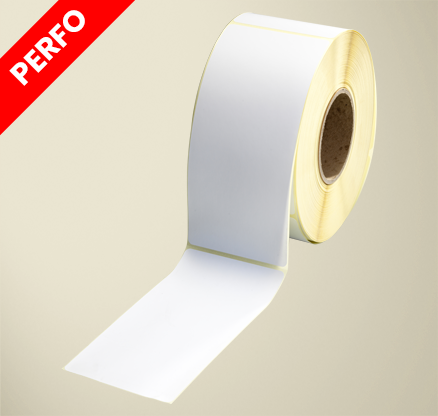
102 x 210 mm – Eco thermal
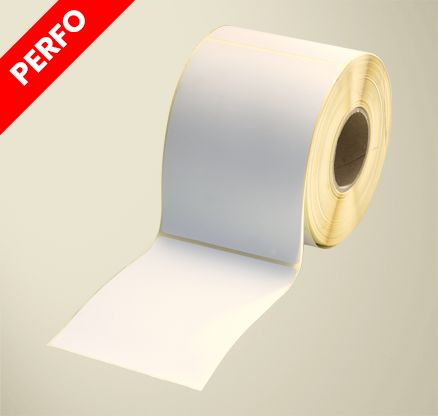
148,5 x 210 mm – Eco thermal
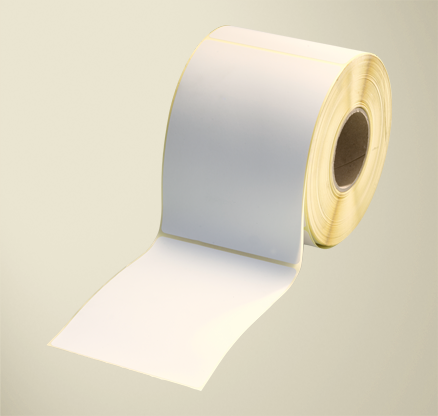
148,5 x 210 mm – Eco thermal
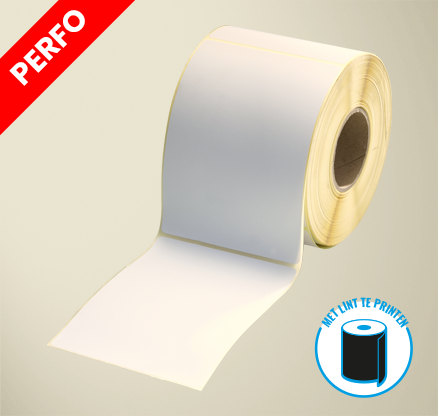
148,5 x 210 mm – Vellum
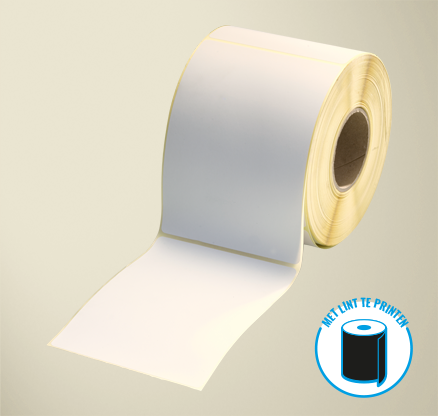
148,5 x 210 mm – Vellum
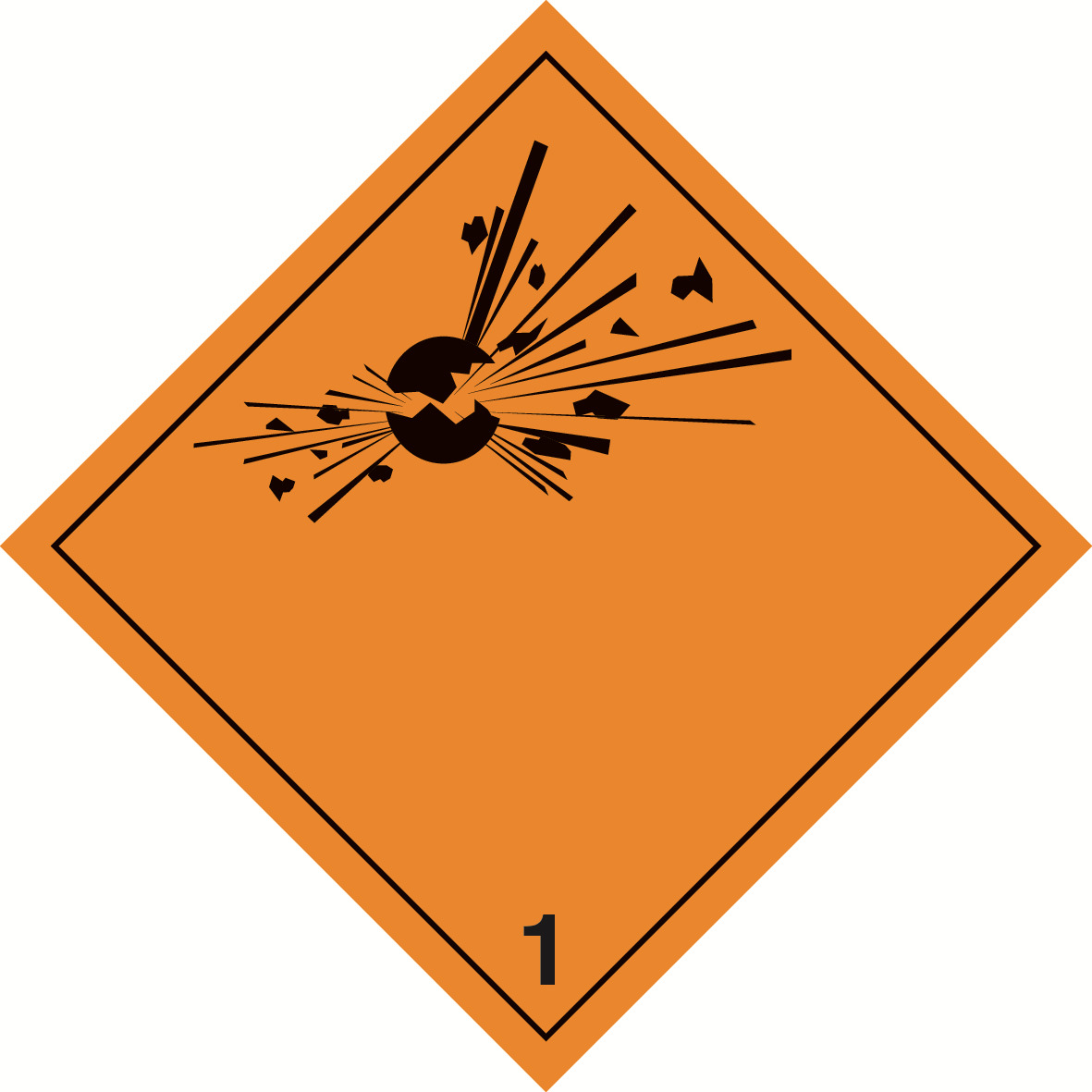
ADR 1 – 100 x 100 mm
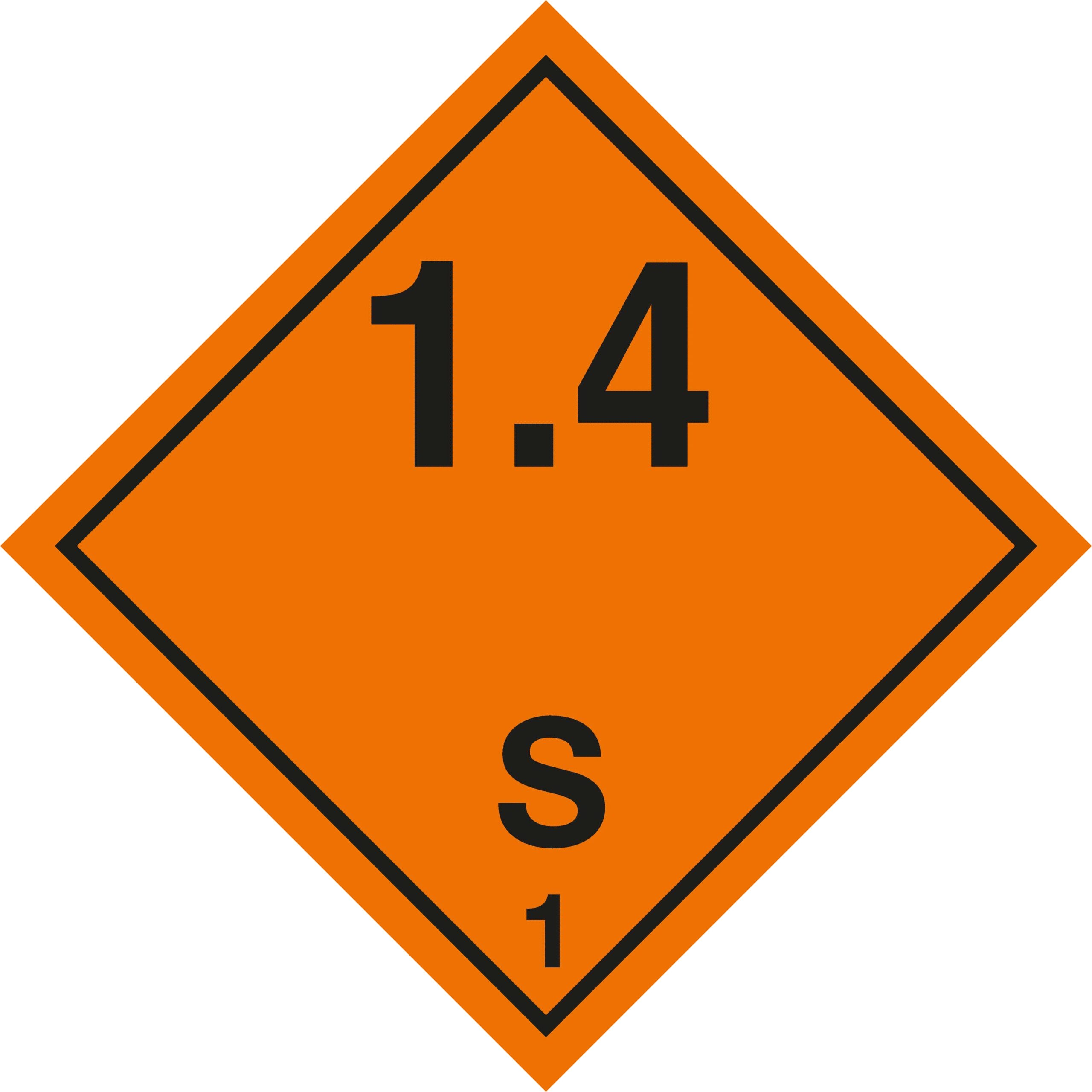
ADR 1.4S – 100 x 100 mm
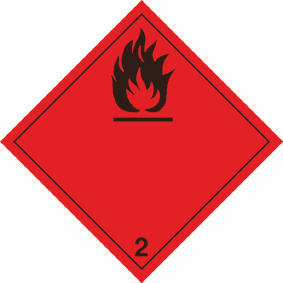
ADR 2.1 – 100 x 100 mm
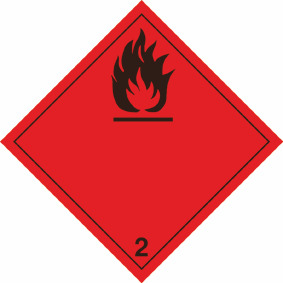
ADR 2.1 – 100 x 100 mm

ADR 2.1 – 250 x 250 mm
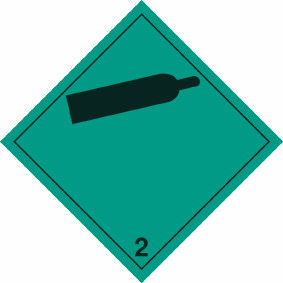
ADR 2.2 – 100 x 100 mm
Which material matches your printer?
Direct thermal prints without a ribbon, on heat-sensitive paper. Thermal transfer puts ink from a ribbon onto the label, so the print stays sharp longer.
- Eco thermisch
- Thermal Direct, no ribbon. Readable for shipping and cases, but the print fades faster with heat, light or moisture. For short-life labels.
- Top coated thermisch
- Also Thermal Direct, no ribbon. A coating makes the print sharper and a little more resistant to moisture and smudges. Still not meant for long storage in light or heat.
- Vellum
- Thermal Transfer, with print ribbons. The ink stays sharp in the warehouse or on pallets that travel longer — the most durable print quality of the three.
Which print technique matches your printer?
That depends on your printer: with or without a ribbon. The material has to match.
- Thermal Direct
- No print ribbon. The printhead heats the label itself. Goes with Eco thermisch and Top coated thermisch. Simple and fast, but the print fades faster with heat, light or moisture.
- Thermal Transfer (Ribbons)
- With a print ribbon. The printhead melts ink from the ribbon onto the label. Goes with Vellum. A sharper, more durable print — for the warehouse and pallets that travel longer.
Do you need a perforation?
A perforation between labels makes them easier to tear off by hand. On an automatic applicator, that same perforation can disturb the web.
- Yes
- Perforation per label. For manual application: you tear each label off the roll cleanly.
- No
- No perforation. The web runs smoothly, as automatic applicators need.
How do price groups work?
Products in the same price group share a volume scale. The more you order from that group, the lower the unit price.
- The same volume prices
- Every label in a group follows the same volume prices. The product page shows from which quantity the next break applies.
- Quantities add up
- In the basket, pieces from different products in the same group count together. That way you reach a better break faster.
- Filter by a group
- Pick a price group to see every product you can combine for that volume price.